Low traffic neighbourhood
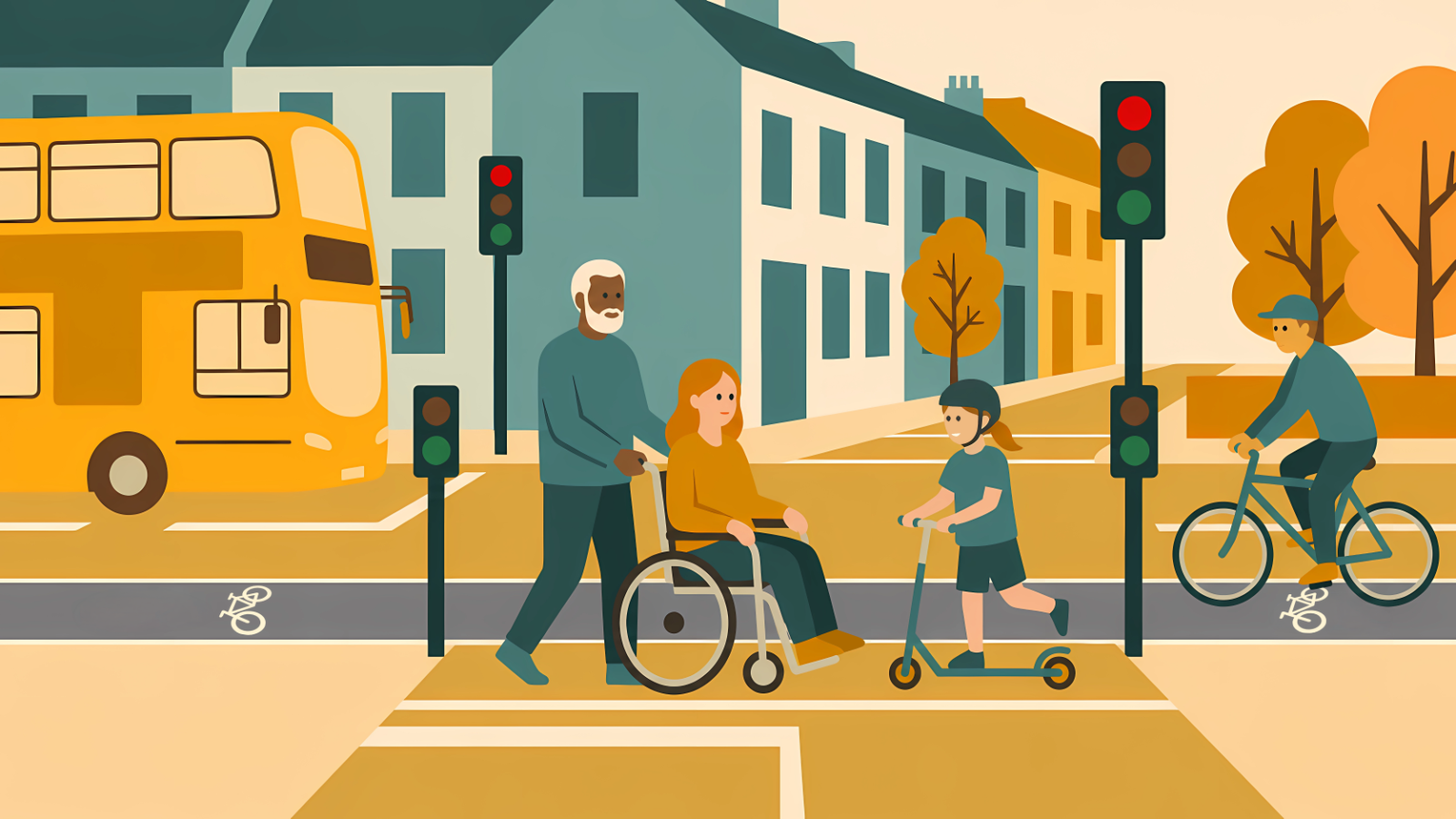
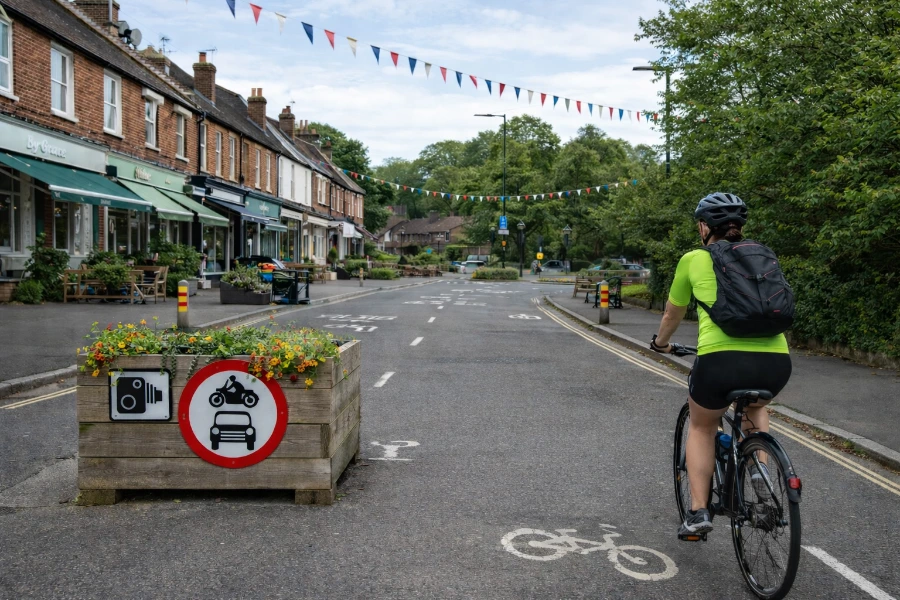
Personal mobility lies at the heart of recent urban sustainability interventions, with cities increasingly seeking ways to reduce traffic flows, which can then allow people to walk, cycle and play in the street. Low Traffic Neighbourhoods schemes introduced by local councils in towns and cities are designed to help people lead healthier lives and reduce the harmful environmental impacts of road traffic (which improves air quality, helps reduce carbon emissions that contribute to climate change and reduces noise). The United Kingdom has experienced various interventions, with certain examples—such as Oxford, Bristol and London—achieving national prominence due to their perceived impact on personal freedom and the role of the local state.
There is considerable debate regarding these initiatives, with concerns encompassing issues of personal freedom, the accessibility of private vehicles, increased journey times, and the potential for restrictions to disproportionately impact individuals with disabilities or caregiving responsibilities. While the initiatives may reduce traffic within targeted areas, they can also result in increased congestion and pollution on adjacent main roads. Perceptions of inequality may arise, particularly when certain neighbourhoods feel targeted by interventions without corresponding improvements to broader infrastructure, including bus services, bike lanes or surrounding roads.
Case Study
Low traffic neighbourhoods: Exeter Active Streets Trial
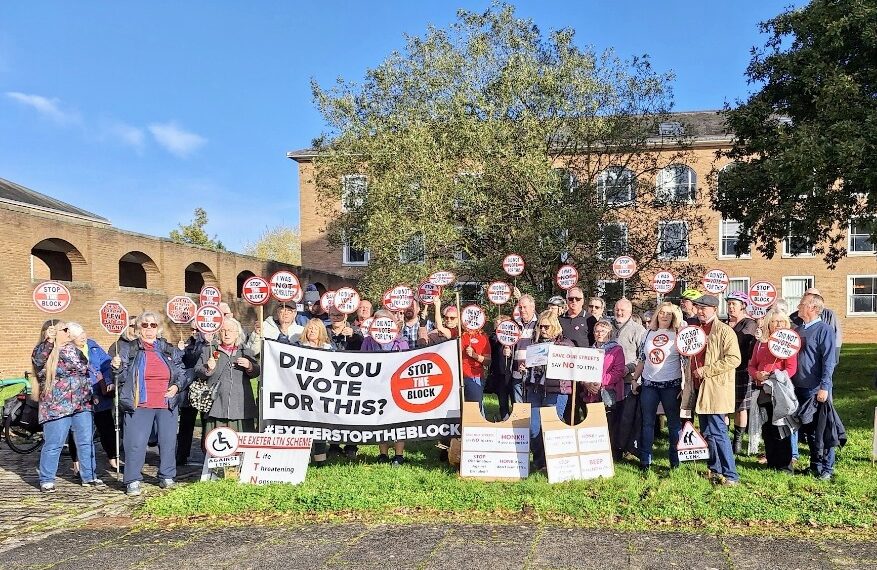
Photo credit: Ian Frankum
The Exeter Active Street Trial (in Heavitree and Whipton) was selected as the case study for this flashpoint. This is an initiative that was designed and trialed in a residential part of Exeter. The trial launch in 2021 generated significant public debate. Opponents expressed concerns about traffic being displaced to other areas, longer journey times, challenges faced by disabled individuals and care workers, insufficient consultation, negative impacts on local businesses, and delays to emergency services. Supporters, on the other hand, argued that the scheme would make neighbourhoods safer and healthier by reducing through traffic, encourage active travel, improve air quality, and support Exeter’s climate commitments as well as national active travel objectives. Key stakeholders included the public, community groups, local government, social media groups, and campaign organisations. The trial was ended in June 2024, before the planned end date.
